Bees in Kapsowar
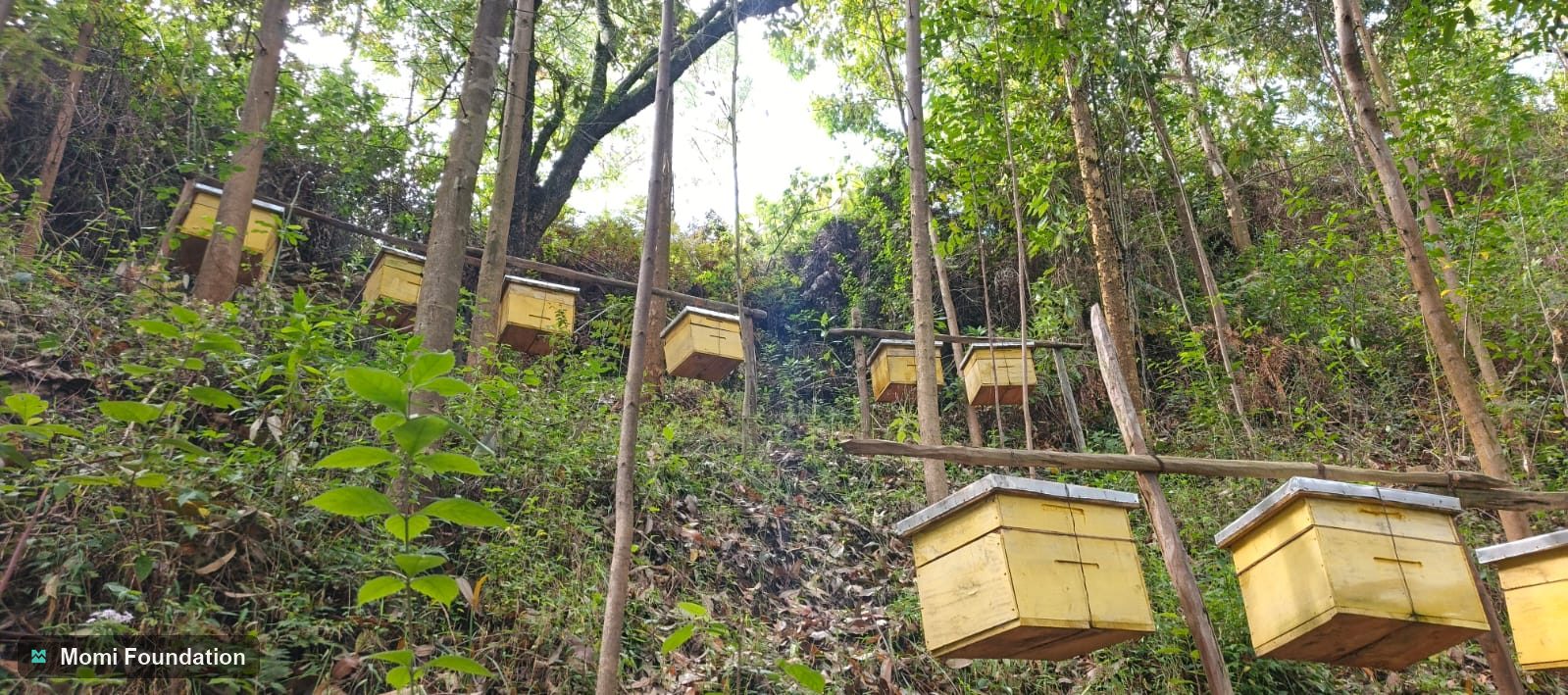
Honeybees pollinate indigenous plants and crops, and honey and wax give families a sustainable income. Momi Foundation supports the community through its climate-smart agriculture programme.
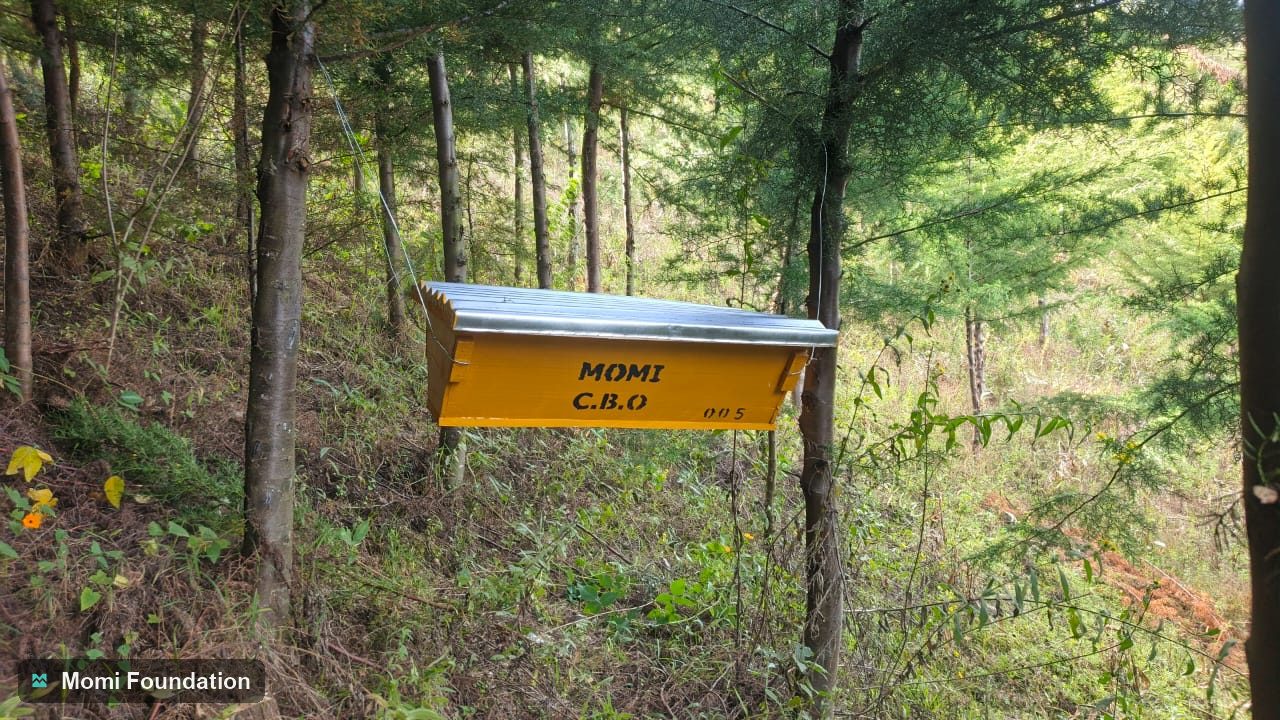
Honeybees are small, but their work touches almost everything around us, the forest, the farm and the family income.
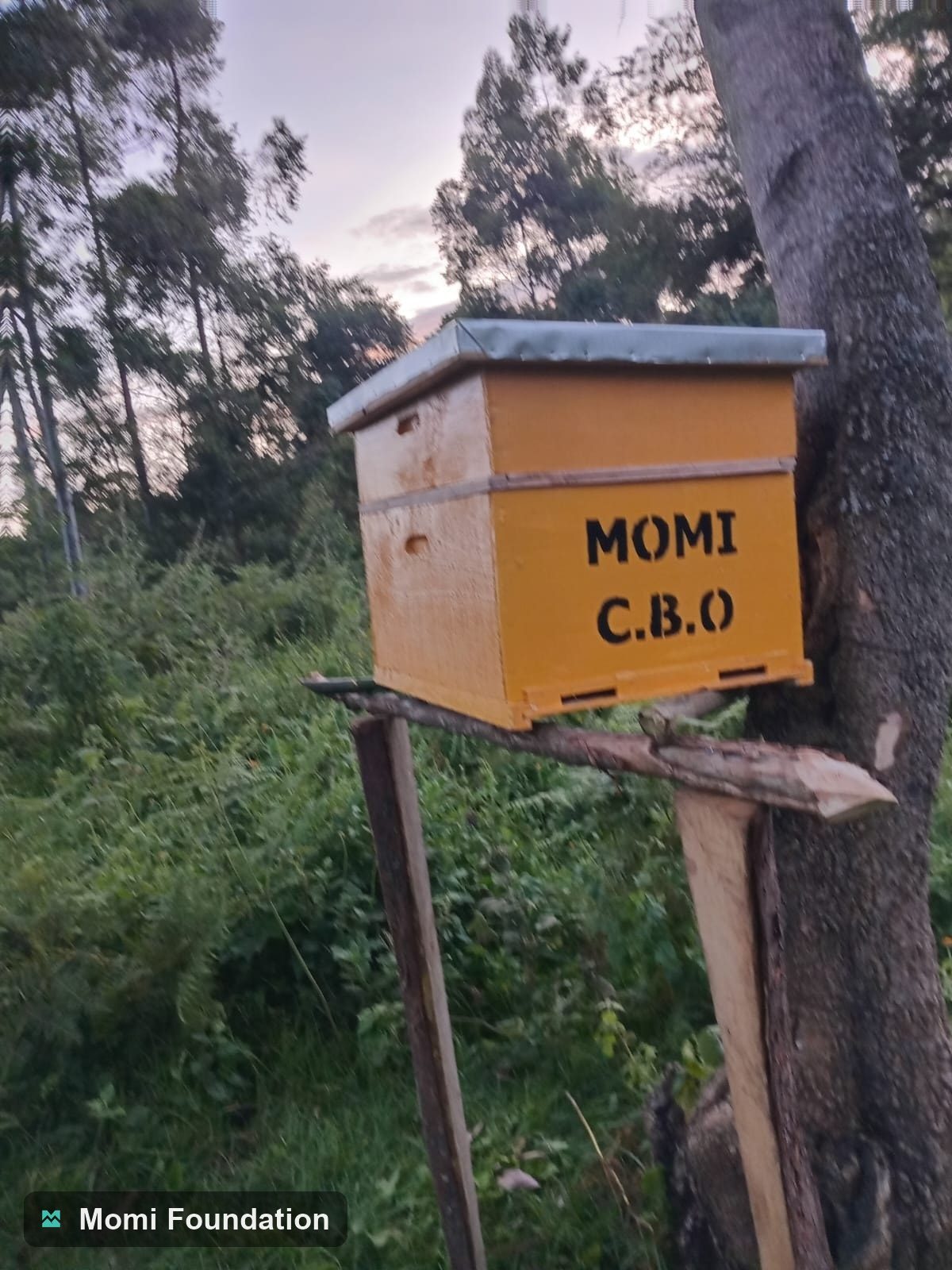
Pollination: food and forests
As bees move from flower to flower collecting nectar, they carry pollen with them. That pollination helps indigenous plants set seed and crops produce more and better fruit. Many of the crops families grow benefit from pollinators like bees, so more bees can mean better yields from the same land.
Pollination also keeps the forest healthy and diverse. More flowering plants means more food for bees, and more bees means more flowering plants: a cycle that boosts biodiversity across Marakwet's hills.
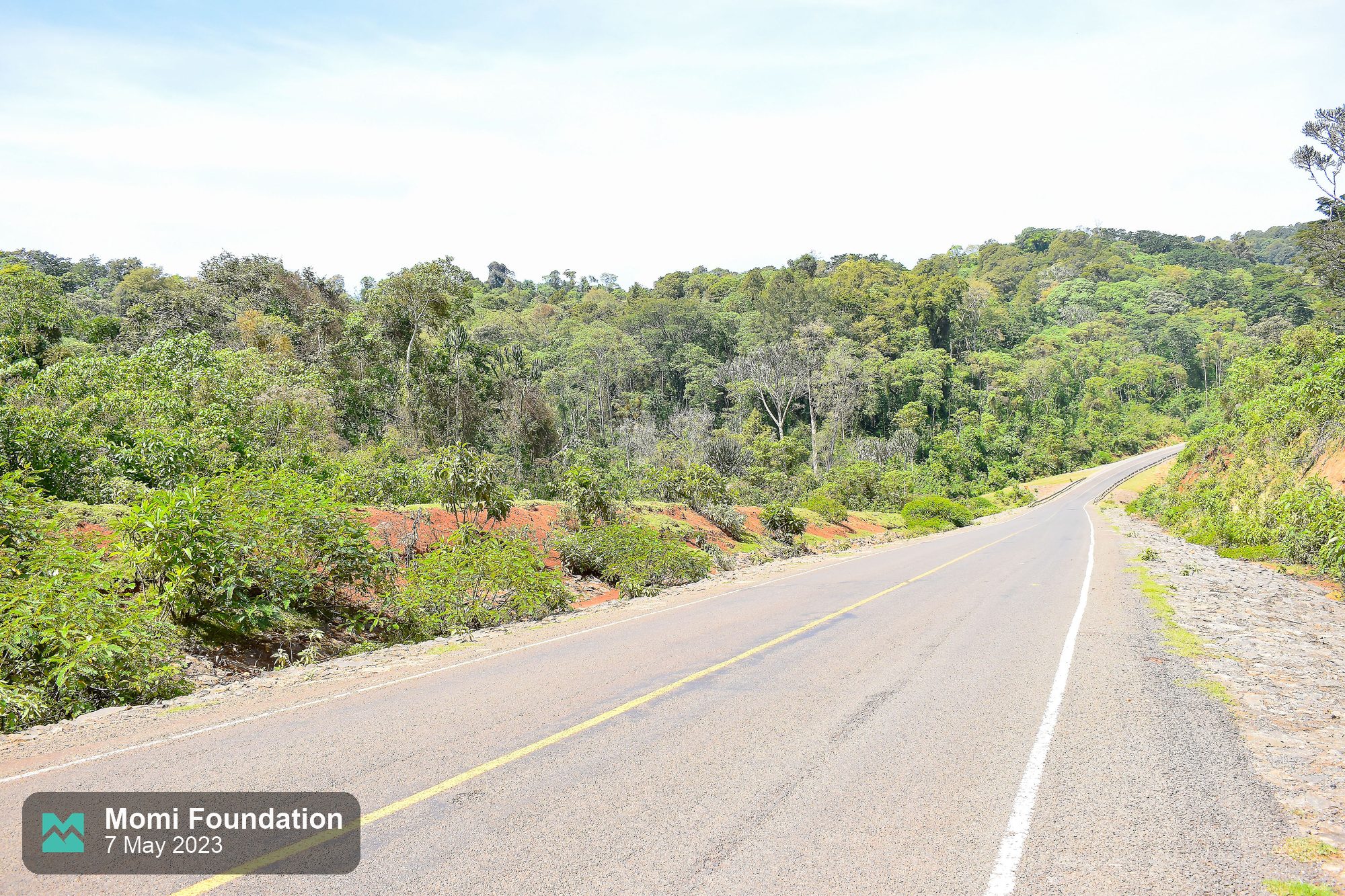
Honey and wax: a sustainable income
Bees also produce things families can sell. Honey is valued as food and medicine, and beeswax is used for candles, polish and cosmetics. Because hives need little land and no clearing of trees, beekeeping gives households a sustainable source of income that works alongside farming instead of competing with it.
Looking after the bees
Bees need care to do all this. Healthy colonies need flowering plants nearby, clean water, shade from the hottest sun, and regular inspections to catch pests and disease early. Keeping sprays away from flowering crops near the hives protects them too. Good beekeeping is good for the bees, the farm and the family.
Why it matters to Momi Foundation
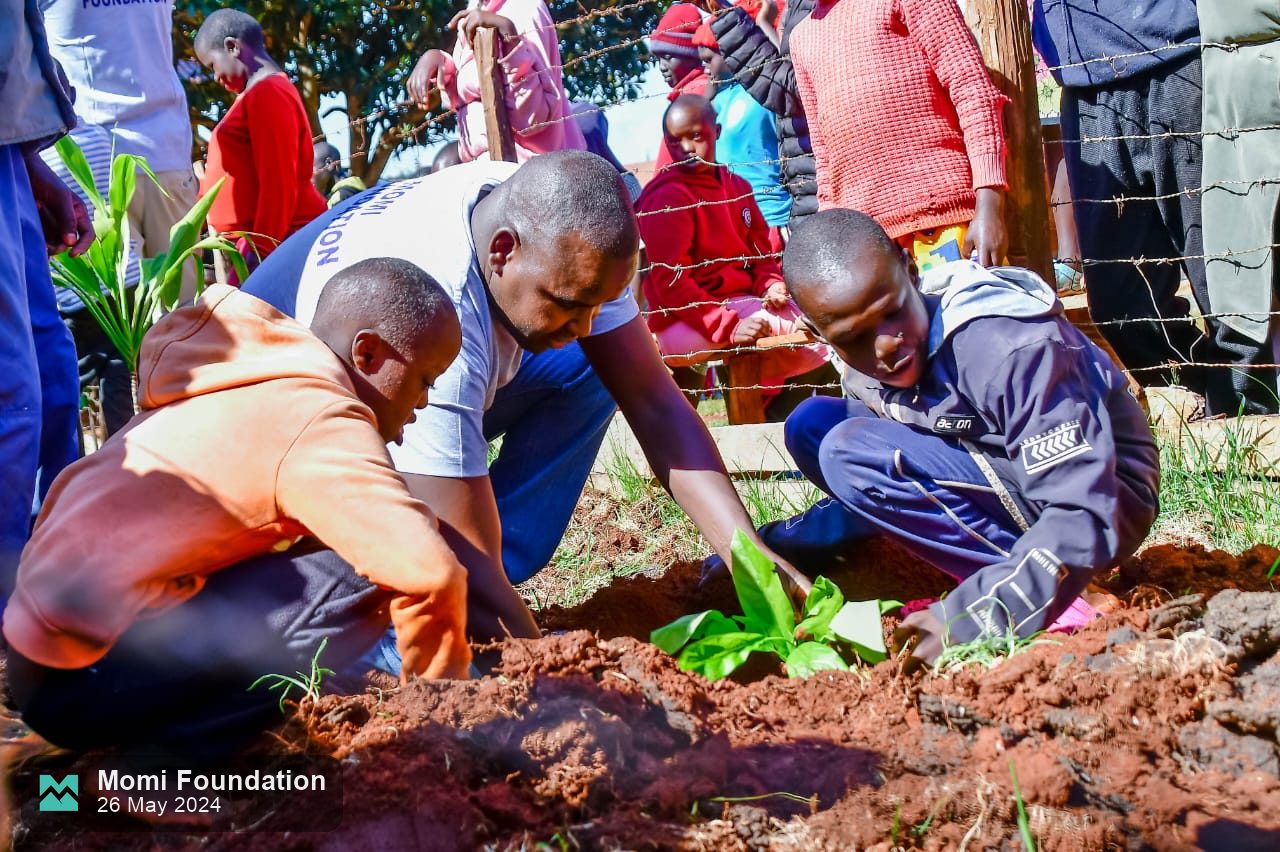
This is why beekeeping became our fourth pillar, Smart Agriculture. Every hive we help set up is a reason to keep the trees standing, and a step towards steadier income for a family. It connects with our other work too: when we planted trees with pupils at Mindililwo Special School, we were planting future food for bees.
How you can help
Learn more about our programmes, follow our apiary updates on Facebook and LinkedIn, or support a hive.